The Strategic Value of a Unified ServiceNow Roadmap for Mid-Market Organizations
Most mid-market organizations adopt ServiceNow one module at a time. They start with ITSM, then add ITAM, IRM, or ITOM when budgets allow. While this “stacking” approach seems practical, it often leads to fragmented deployments, inconsistent architecture, duplicated configurations, and rising technical debt. What begins as modernization quickly becomes a patchwork of disconnected implementations.
A unified ServiceNow roadmap solves this. It gives mid-market organizations clarity, prevents rework, aligns licensing with real needs, and accelerates time-to-value. At SHAW Data Security, we see the organizations that plan early always achieve better outcomes—and avoid the expensive pitfalls that come from short-term decisions.
The Mid-Market Challenge: Enterprise Expectations With Limited Capacity
Mid-market IT and security teams are expected to meet the same regulatory, operational, and security standards as large enterprises, but with fewer staff and less time. ServiceNow can eliminate this burden, but only when the platform is planned as a cohesive system, not a collection of independent products. Without a roadmap, teams choose modules based on the urgency of the moment rather than long-term value.
Why a Unified Roadmap Outperforms Module-by-Module Adoption
Organizations that build a roadmap before buying new products operate with intention instead of reaction. They understand what to implement, when to implement it, and how each piece supports the next. A roadmap creates sequencing, reduces risk, and prevents duplication. It also ensures configurations, data models, naming conventions, integrations, and governance are consistent across the platform. A strong roadmap prevents today’s solution from becoming tomorrow’s technical debt.
Eliminating Rework: The Hidden Cost of “Just Add ITSM Now”
Many organizations rush into ITSM implementations with minimal planning. Months later, when they buy ITAM, IRM, or ITOM Visibility, they discover their original configuration doesn’t align to platform best practices. This forces rework—rebuilding forms, flows, tables, and process models they already paid for once. A roadmap front-loads the architectural thinking so that every implementation builds on the last.
Aligning Licensing to Real Operational Needs
Licensing becomes far more efficient when it aligns with a roadmap. Instead of reactive purchases, customers add products strategically—often gaining better pricing, avoiding unnecessary roles, and simplifying entitlement structures. A roadmap ensures customers buy the right SKUs, at the right time, with the highest financial advantage.
Driving Cross-Module Value Through Shared Data and Workflows
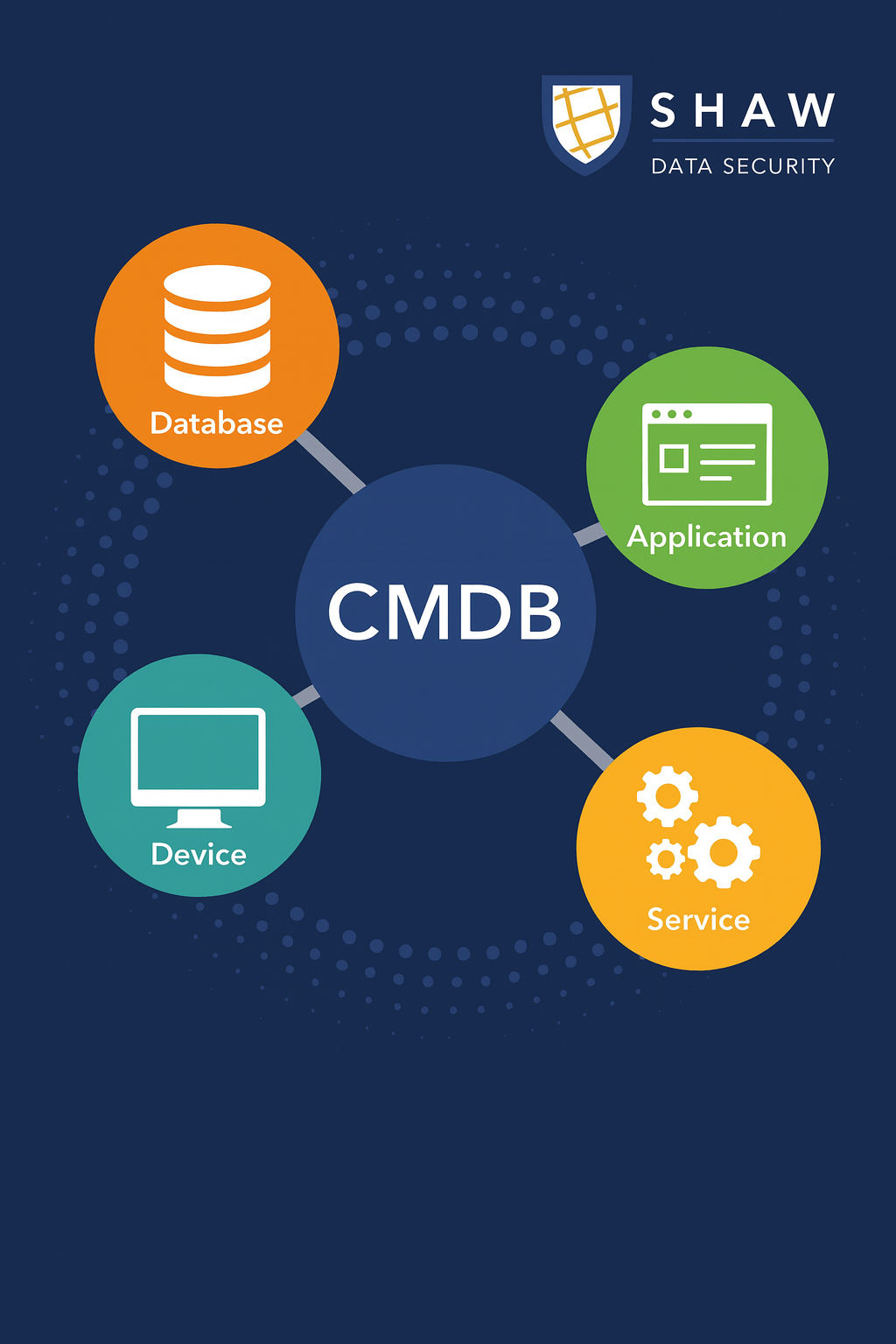
The ServiceNow platform is most powerful when modules work together. ITSM enriches IRM evidence. CMDB powers ITOM. Asset Management automates change controls. Discovery enhances vendor assessments. Without a roadmap, these connections fail to materialize. A roadmap ensures that data, processes, and workflows are designed to flow seamlessly across the platform.
Supporting Executive Alignment and Project Governance
Executives want predictability. They want to know what they’re paying for, when it will be delivered, and what outcomes it will produce. A unified roadmap gives leadership a clear sequencing plan, timeline, and budget profile. This strengthens governance and positions ServiceNow as a strategic enterprise platform—not just an IT tool.
Creating a Scalable Future-State Architecture
Roadmaps align architecture across departments, technologies, and processes. They define naming conventions, class models, integration design, workflow governance, and automation strategy. This prevents fragmentation and accelerates future modules, upgrades, and enhancements. With a roadmap, the platform evolves in a structured, sustainable, and scalable way.
How SHAW Data Security Builds a Unified ServiceNow Roadmap
Our roadmap framework includes strategic alignment, licensing optimization, platform architecture, risk analysis, and a sequenced implementation plan tailored to the organization. We map quick wins, long-term goals, compliance needs, and operational maturity into a realistic, actionable plan.
SHAW’s roadmap approach ensures customers achieve value quickly while maintaining a clean, scalable platform aligned to their business.
A unified ServiceNow roadmap is no longer a luxury—it is a necessity. Mid-market organizations that invest in planning achieve lower costs, faster implementations, stronger architecture, and higher adoption. They avoid rework, reduce risk, and maximize both licensing and operational outcomes.
A roadmap turns ServiceNow from a toolset into a strategic engine for organizational growth.