What “Good” Project Management Looks Like in a ServiceNow Implementation
Every organization wants its ServiceNow implementation to be predictable, well-run, and free of surprises. Yet the biggest challenge customers face is not technology. It is project management. Good project management determines whether the platform launches on time, whether users adopt it, whether stakeholders stay aligned, and whether the customer walks away with confidence or frustration.
At SHAW Data Security, we have seen both ends of the spectrum. The difference between a struggling project and a successful one almost always comes down to structure, communication, ownership, and rhythm.
Why ServiceNow Projects Fail Without Strong Project Management
ServiceNow touches multiple teams, processes, and systems. Without clear structure, stakeholders lose visibility. Tasks pile up. Risks go unaddressed. Decisions stall. And when communication breaks down, the customer feels uncertainty—and uncertainty becomes dissatisfaction.
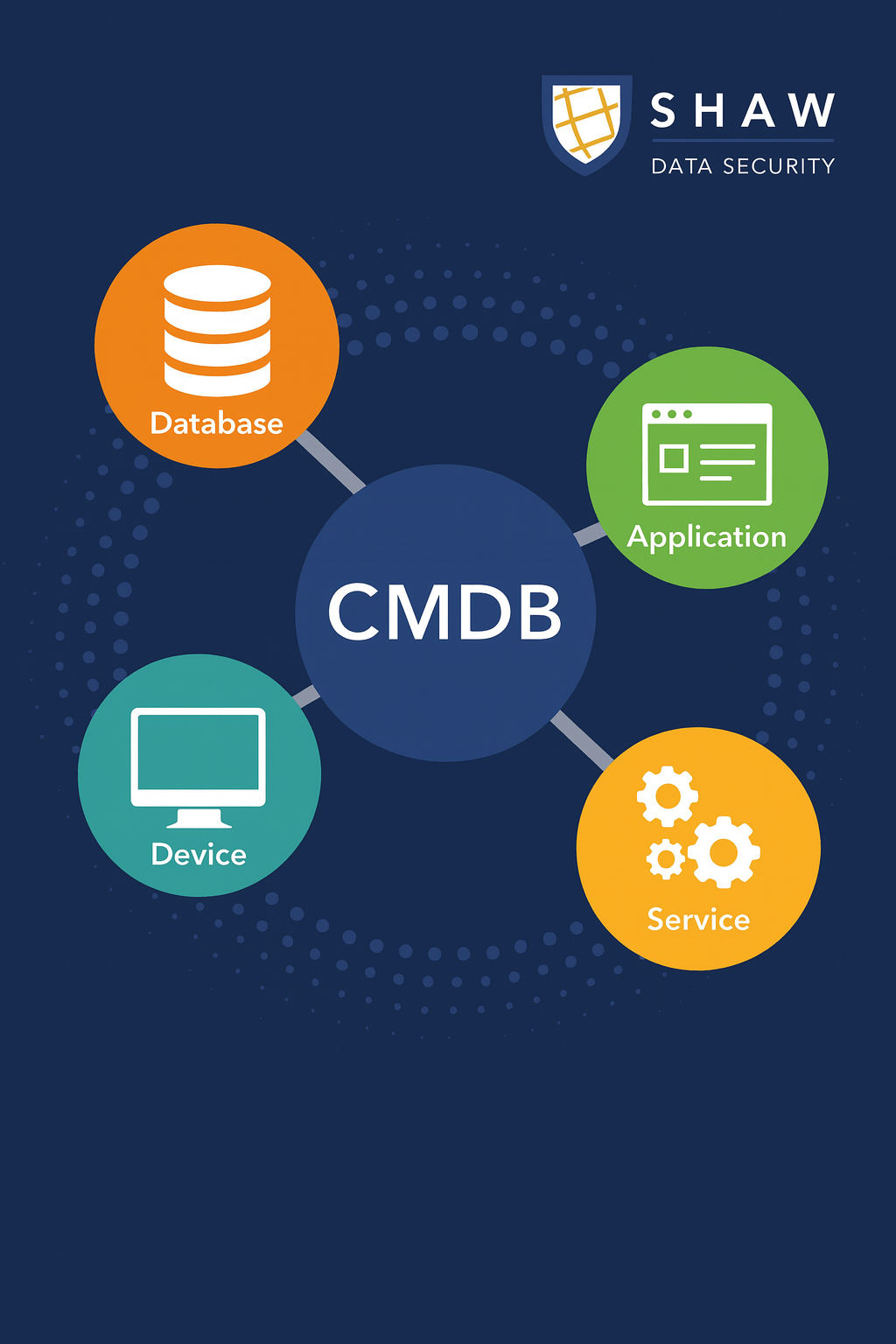
A project without a disciplined project manager is like a platform without a CMDB: everything technically works, but nothing works well.
The Core Principles of Effective ServiceNow Project Management
Good project management starts before kick-off. It establishes the playbook, defines the expectations, and sets the tone for the entire engagement. The best-managed projects share the same characteristics: consistent communication, predictable reporting, clear decision ownership, and a focus on outcomes rather than tasks.
Strong PMs make sure the customer never wonders what is happening, what is coming next, or what is at risk.
Communication Rhythm: The Heartbeat of the Project
The quality of communication determines the quality of the relationship. Good project management relies on structured, consistent communication rhythms. Weekly status calls, weekly written updates, sprint reviews, and clear points of contact form the backbone of trust.
Customers care about one thing above all: predictability. When communication is predictable, the project feels stable and controlled—even when challenges arise.
Reporting That Builds Confidence Instead of Confusion
Customers expect accurate, timely project reporting. They want to know what was completed, what is planned, what decisions are needed, and where risks exist. Bad reporting creates anxiety. Clear reporting builds confidence.
Good project management turns reporting into a leadership tool. It connects tasks to outcomes and ensures the customer always understands the true state of the project.
Ownership and Escalation: Who Tells the Story? Who Owns the Emotion?
Every successful implementation has clear ownership lines. Someone owns the timeline, someone owns the customer’s emotional experience, and someone owns the technical updates. When these roles are unclear, customers feel the gap immediately.
A good project manager does not wait for concerns to surface—they escalate early, clearly, and constructively. Proactive escalation prevents surprises, protects relationships, and maintains progress.
Risk Management as a Daily Discipline
ServiceNow implementations change quickly. Scope expands, integrations require nuance, data reveals surprises, and dependencies shift. Effective PMs treat risk management as a continuous practice, not a checkpoint.
They document risks early, discuss them openly, and recommend corrective actions. Strong PMs never let a risk become a crisis.
Meeting Management: Start on Time, End on Time, Follow the Agenda
Simple discipline separates average PMs from exceptional PMs. Meetings start on time, end on time, and follow an agenda. Decisions are documented. Action items have owners and due dates. Recaps are sent quickly. These habits create clarity and momentum.
Customers interpret meeting discipline as an indicator of overall project discipline. They are almost always right.
Why Process Is Not Bureaucracy—It Is Predictability
Some teams mistake process for unnecessary structure. But good project management process reduces noise, accelerates work, and ensures every team member has the information they need. It creates transparency and lowers stress. In ServiceNow projects, process is the difference between progress and confusion.
Process does not slow the project down. It removes friction so the project can move faster.
How SHAW Data Security Delivers High-Quality Project Management
SHAW’s project management model aligns communication, reporting, governance, and execution into a predictable experience. We use a consistent weekly reporting structure, clear ownership lines, and transparent escalation paths. We reinforce discipline in meetings, documentation, and risk tracking.
Most importantly, we focus on the customer’s emotional experience. Projects succeed not only because the technology is delivered, but because the customer feels informed, supported, and confident at every stage.
Great ServiceNow implementations are not driven by luck or technical excellence alone. They succeed because project management is structured, disciplined, predictable, and clear. Good project management earns trust, reduces risk, prevents surprises, and sets the foundation for a strong long-term partnership.